


electronic press kit
This press kit provides relevant materials for concert promoters, club booking agents, distribution and record companies, publicists, special event planners as well as for reviewers and jazz journalists.
“He elevates listeners to new emotional heights”
— All About Jazz
Summary
Mesmerizing global audiences, Mark Kramer's acoustic piano electrifies emotions, stirs intimacy, and increasingly ventures beyond prior boundaries in jazz. Telarc/Concord/Warner EA and other firms distribute Mark’s recordings. The Mark Kramer-Eddie Gomez Trio, releasing 8 albums together, headlines on leading stages worldwide. Mark [recipient of best Philly jazz pianist and trio, recognized as one of America’s top undiscovered Jazz pianists for successive years] would herald his now ~ 45th recording. And at this time following almost a decade of obligatory interludes, 3 non-derivative fully new completed collections are already scheduled for release by the end of 2025.
Short and long biographies, video and audio are also available at https://mark-kramer.com/press-kit
“In this phase of my development, fully fluid harmonies, voicings, phrases, independent voices, and new concepts now come involuntarily from dimensions I could never have foreseen even a decade ago; I can only shape what is there just a little and only by "supplication!" ”
video introduction to Mark Kramer's Music circa 2016
This video is one of 11 recorded on 2 DEC 2016. It ("AS IS" - a piece composed by Mark ) documents the finale of a concert in which the Mark Kramer Trio [MKT] (with the acclaimed Eddie Gomez and Billy Drummond) headlined for a sold-out ticketed audience of about 500.
The video is presented here so as to underscore the overall sound and look of Mark's music, and generally its appeal. The audience was comprised of broad range of ages and ethnicities as well as a surprising mixture of dedicated jazz aficionados with those new to the form.
The first portion of this secular concert featured selections from the trio's celebrated "Jazz Fiddler on the Roof" CD. After intermission, jazz standards (plus interspersed originals) were performed in no holds barred jazz. Audience response was similarly enthusiastic, if not more, for this pure jazz portion of the concert.
This concert is also memorable in that it been performed under considerable duress. Had it not been pre-contracted it would not have been performed at all: i.e., from 2013 until 2019 Mark had taken a voluntary break from his performance schedule to care for his wife (who died several weeks following this concert) after her long struggle with cancer. Mark is just now happily returning to his previous activities in music.
WHAT HAS CHANGED SINCE 2016: Improvised/creative music must now include the audience in new ways. More than any other factor that would green light whether Mark performs or not, is the ecosystem of venue. While complete audience silence is no longer even desirable, live performance (when it helps owners/ sponsors meet their goals ) must be held in slightly higher regard than any other aspect of the venue's ecology. Not all work that is requested is desirable, but some really is.
GROUP CONFIGURATIONS: Not much has changed here. Despite the "Trio configuration" still being Kramer's preferred jazz format, accepted performances do retain powerful efficacy in piano-bass duo, in solo piano configurations. Mark's trios or duos when composed of long-standing local members, or those collaborators depicted above are particularly reliably artistic and audience pleasing. Most recently, 1) Mark has discovered that performing as a solo pianist is authentically rewarding and appropriately challenging, 2) there is no reason anymore to play it safe.
improvised Performance based on a standard
This is a spontaneous performance and is Included here to highlight one of Mark's approaches to the interpretation of very old standards.
Reharmonizations and chord voicings tend to occur on the fly as does the overall contour, sound, and the implied meaning of the performance. Cadenzas are always completely unscripted.
Please expand the video to full screen for the best viewing experience.
SHORT BIO
Philadelphia, PA.
Raised just a block from John Coltrane's home, and taken in as a mascot for the local Gospel choir, Mark Kramer continues to enjoy a productive and colorful career as an improvising pianist-arranger-composer, producer/engineer, auto-didatic multi-instrumentalist, and occasional educator.
Jazz Style is METAMODERN (straddling modernism and postmodernism): but often impossibly melodic + technically-adroit - - - paying homage to Evans, Hancock, Corea, Glass, and Riley. Used to sweat a lot.
Early on - through marginalizing his own growing voice, Mark did complete contracts with Telarc/Concord and other major labels, i.e., by reimagining 8 Broadway shows, an entire Mozart Symphony, a Harry Potter soundtrack, the Rolling Stones, esoteric works by Eric Satie - all in the elegant Jazz derivative of a gut-wrenching Bill Evans.
It is now only after many decades that we can hear part of his unsung core (non-Evans) jazz engine at work in originals such as Sunday Afternoon, Kharis in Orange, As Is (video above), Muse@3-4-5, a Beginning, Mount Analog, Retro-Orter and lots of others. (e.g., most recently he has entered a new phase of development with the explicit collection of BEYOND - a must preview.)
Prior to this: Behind an intentional envelope which projected "all too much familiarity", Kramer’s inventiveness had nevertheless been carried upon an ‘anything goes’ free jazz approach, (paradoxically disciplined and repeatable) but one that shuns focus on any of its included free structures, dissonances, classical-like pianistic technique, or unusual time signatures. His envelope, by design, had been impossibly mostly melodic – except for recently, often only sparsely strays “outside.” Yet, improv floats fluently upon a complex system of harmony he crafted over many decades. As illustrated in the one-pager, most commentator-reviewers have been enthusiastic, gracious, and perceptive when assessing his music. But unfortunately, some highly placed gatekeepers would or could not bring to relief some of his metamodern innovations that appear spontaneously within familiar stylistic envelopes (e.g., a spontaneous transformation of It Could Happen to You.) or his stress-tests of narrow jazz-minds (through the outlandish choice of jazz-world scorned works as vehicles for improvisation (e.g., Andrew Lloyd Weber's - atypically very musically advanced - 'Waltz for Eva and Che').
Bragging rights:
Twice nationally recognized as a top undiscovered jazz pianist, described as innovative, elegant, and emotionally riveting by the Great Jacksonville Jazz Piano Competition judges (including Teddy Wilson) Kramer went on to record ~ 40 CDs (including those globally distributed by major record companies (Telarc/Concord, Lightyear, Warner EA) with his own trio, as well as many with a close collaborator – acclaimed Bill Evans’ bassist Eddie Gomez. In the 90s Mark was recognized by the Philadelphia Jazz Musicians' Alliance as the "Best" Philadelphia jazz pianist and leader of the region's"Top" jazz piano trio.
Mark's credits include concertizing and recording with a cornucopia of the most celebrated of jazz musicians like George Coleman, Lee Konitz, Al Cohn, Tal Farlow, Jimmy Cobb, Joe Chambers, Charles Fambrough, Junior Cook, Archie Shepp, Michael Brecker, Randy Brecker, Stanley Clark, Bud Shank, Bobby Watson, Johnny Coles, and scores more.
An auto-didact, but lacking formal classical training on piano, music or jazz theory, Mark has nevertheless been invited to lecture and perform at the New School of Music (NYC), Berklee School of Music in Boston, and other high-profile educational venues in NYC and beyond.
_________________________________
OTHER
In the spirit of full disclosure - and certainly not as some promotional gimmick - even as his music career began to flourish, Mark also worked as a high-profile MD PhD neuroscientist: credited with conceiving, discovering, and initially developing the first new and highhly safe antidepressant mechanism in over a half-century. This he devised when serving as head of the clinical psychopharmacology unit (administering a large staff) at the Fortune 500 Merck and Co. He (as the first author) and his colleagues published this unique discovery in the prestigious journal Science, and then in light of its non-commercialization, a bit caustically summarizing its multiple independent replications in over 1400 patients by 2017 in the Journal of Affective disorders. Mark at the time was also an academic, first at Thomas Jefferson Medical (tenured track) , and then University of Pennsylvania (adjunct) and had lectured on neuropeptides worldwide including as an invited presenter at Nobel Hall (loving their Fazioli piano.) As is typical, Mark, as an employee, was paid ~ $1 for patents related to this noncommercialized seminal discovery. Seamlessly working for over a decade with little sleep, he managed both of his careers as separate and productive; all the while embodying gratitude and the honor of serving.

Although lacking a financial safety net, and with no inheritance coming (being from a family of extremely modest means), but having become thoroughly disillusioned with hybrid corporate-academic life, Mark in his early 50s finally felt thoroughly prepared to follow his primary muse into music full-time. While still venerating the precocious artistries of Chick Corea and Herbie Hancock (which at Mark's age 20 informed him he, though very good, clearly was not yet ready to pursue a career as a jazz pianist back then), he finally (30 years later) deeply understood that his own creative voice had finally bloomed in about equal measure to those he so venerated. His delay, followed by the bold advance, were retrospectively rightly timed choices; all the while accepting that “fame” or just being acknowledged beyond "notable' would be unlikely; could only be accidental. Yet, while back then in full musical ‘stride’, four significant untoward life events occurred (a total house-studio fire in 2004, the crash of ~2008, the organized advent of streaming platforms and their unsavory deals with majors, and most importantly the advanced cancers of his beloved wife Meryl Lee (2012-2017: [b. 1946 - d. 2017.] The further temporized his music careers once again for over 5-6 years; and then the pandemic struck. He now only selectively, but happily and without any regrets, restarted music performance and productions in late 2021. In 2025 it's still a life well lived, as those who know, with gratitude and grace.

Photo by Allesandra Freguja, royalty free

Photo by Bessie Glover (Royalty free)
“. a piano giant. His playing moves the modern mainstream of jazz forward, combining his early influences and his formidable technique with fresh ideas that form his own individual voice . . ." ”
— Scott Yanow, veteran jazz journalist liner notes to "TROUBLED TIMES"

Marky, age 6

From International History of NeuroPsychopharmacology Web site. (http://inhn.org/photos/individual-photos/mark-kramer-2014.html)
Hi res Press Photos

Mark Kramer (photo by Alessadra Fregura, royalty free)
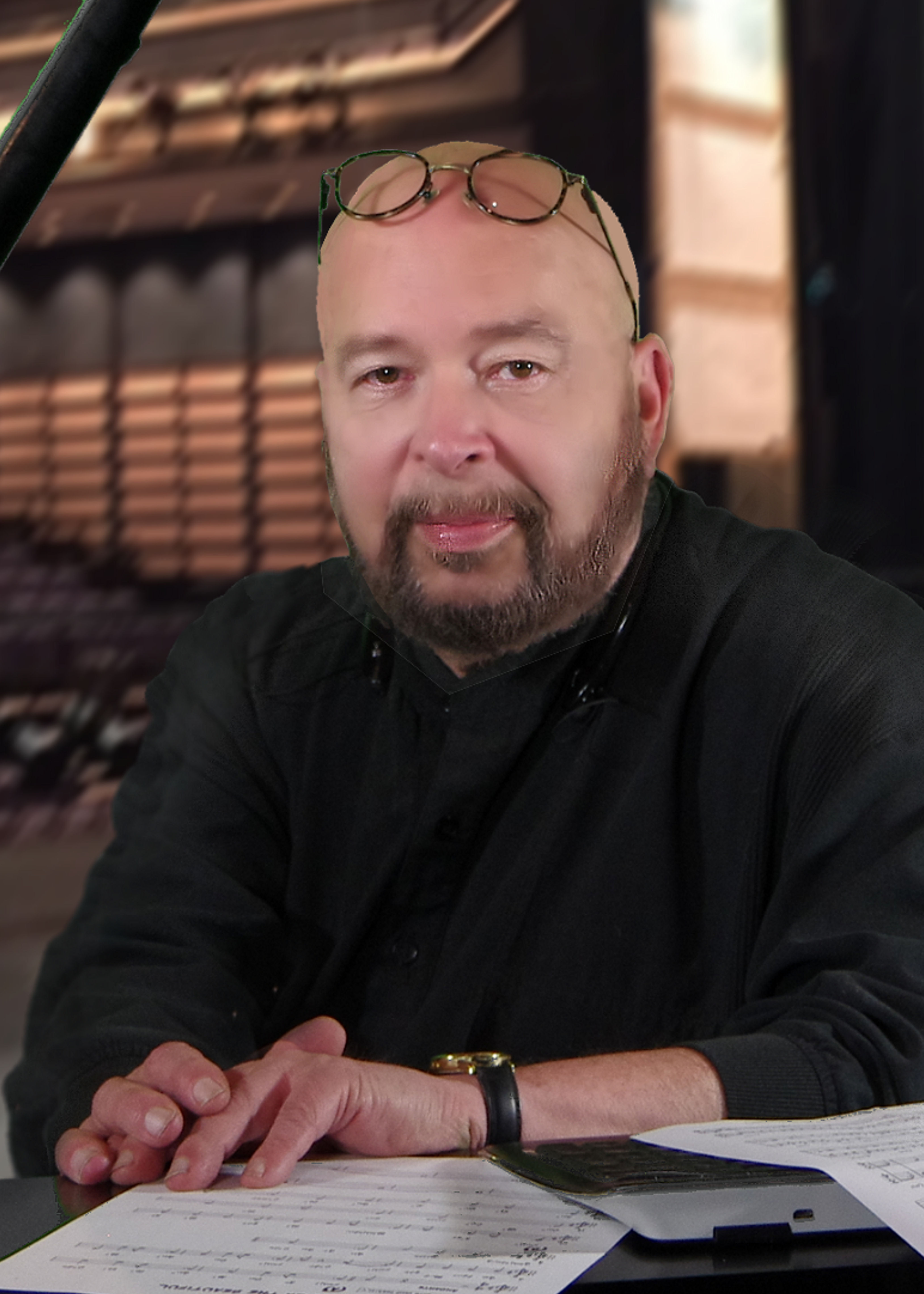
Mark Kramer
(Photographer Elizabeth Glover - royalty free. )
old logo by daughter Juliana Kramer
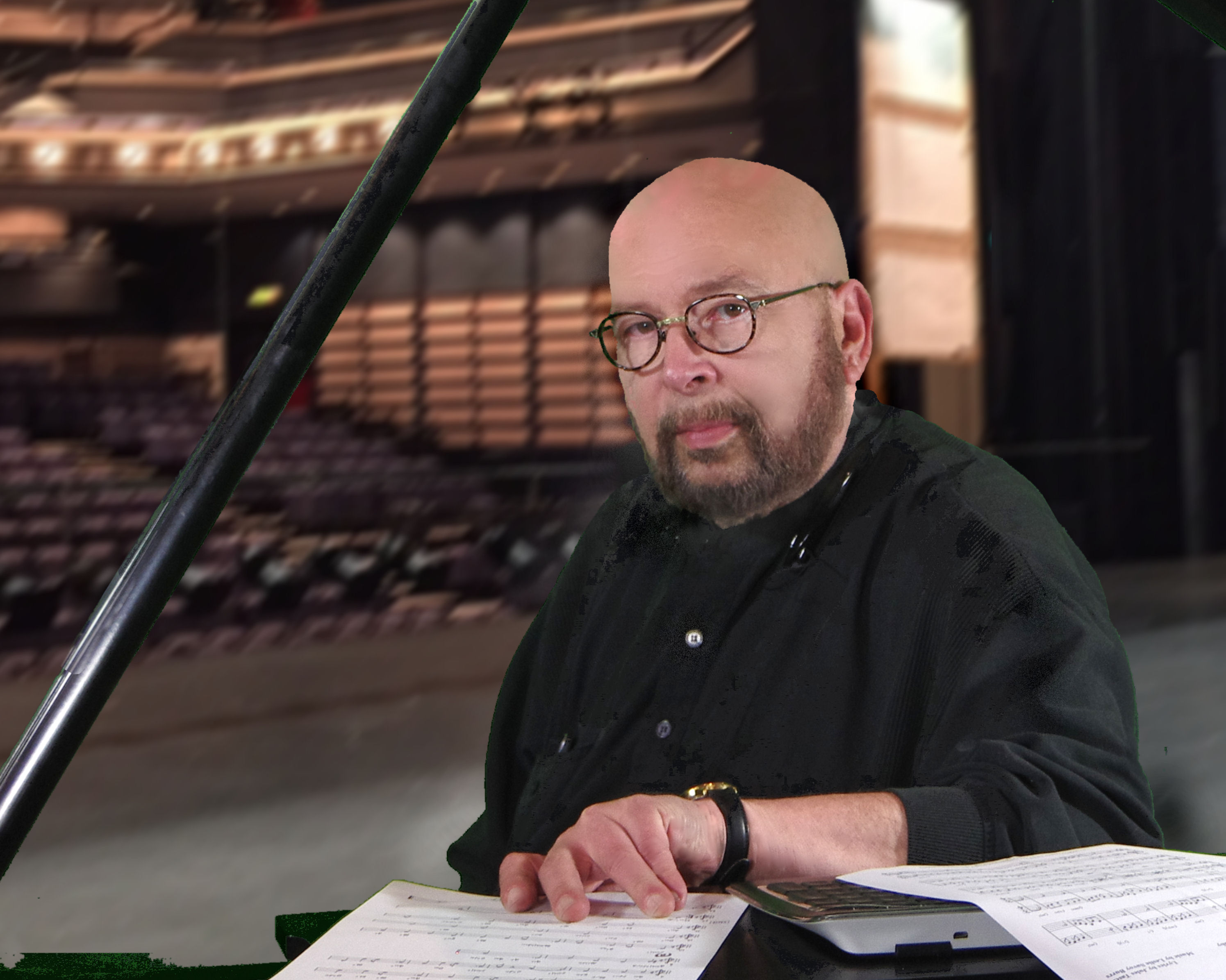
Mark Kramer (Photo by Elizabeth Glover, royalty free)
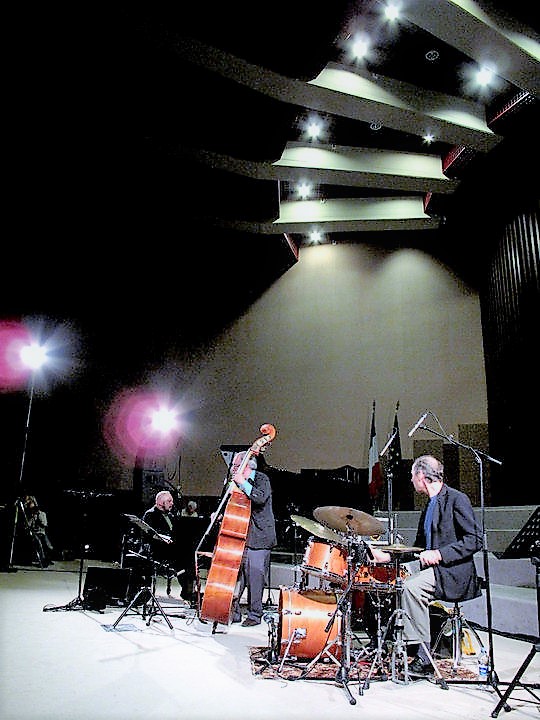
Mark Kramer | Eddie Gomez | Joe LaBarbera, Ancona, Italy (Photographer J. Pintaro, royalty free)

Mark Kramer and Eddie Gomez
(photo composite by Meryl Lee, royalty free

Mark Kramer | Gary Mazzaroppi | John Mosemann (Photo by Carol Alexander, royalty free)
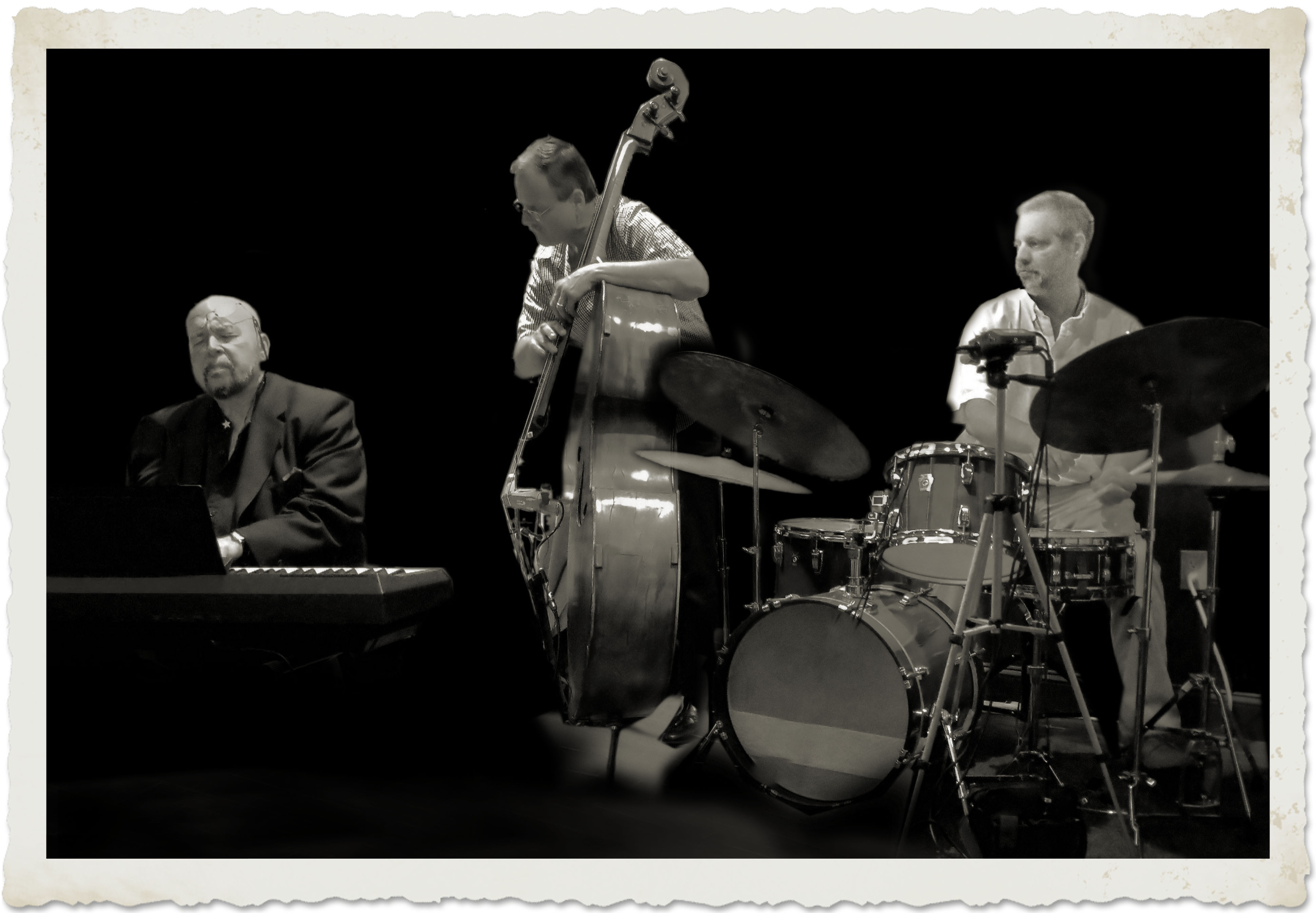
B&w VERSION
Mark Kramer Gary Mazzarroppi John Mosemann
(Photo by Carol Alexander, royalty free)
SOME SNIPPETS FROM REVIEWS --------------------
“, , , melts hard-hearted women and turn cold fishes into lover-boys. . . .reinforces my admiration of Kramer. – Thomas Conrad, JazzTimes
"Exquisite. Beautiful repertoire, gorgeously & handsomely delivered." – Michael Gladstone, All About Jazz
". . . superb; reveals how much jazz can be the story of our lives and the meanings we find during the quiet hours of "recollection in tranquility" – Victor Schermer, All About Jazz
“He elevates listeners to new emotional heights"- C. Lizaire, Celebrity Cafe
“An amazing piano player . . . takes chances . . . utilizes fresh and interesting harmonies. . . freely manipulates rhythm. The piano becomes a living, breathing thing under his hands . . melodies are colored with taste and style... .comping always cushions, and appropriate... solos always an exciting journey . . .swings hard in places." Dave Miele, JazzImprov Magazine.
“Kramer weaves wondrous sounds and emotions with sensitivity and clarity, delivering jazz as it was meant to be.“ - All About Jazz
"Mark has a risk mentality to his playing, never holding back to facilitate the music into another direction yet to be explored. Very satisfying.” Karl Stober - eJazzNews
"Kramer’s prowess at the piano remains uncontested" – Jon Stevenson, ejazznews
“. . . nothing short of brilliant, often closer to miraculous . . . a piano giant. His playing moves the modern mainstream of jazz forward, combining his early influences and his formidable technique with fresh ideas that form his own individual voice . . ." Scott Yanow, veteran jazz journalist
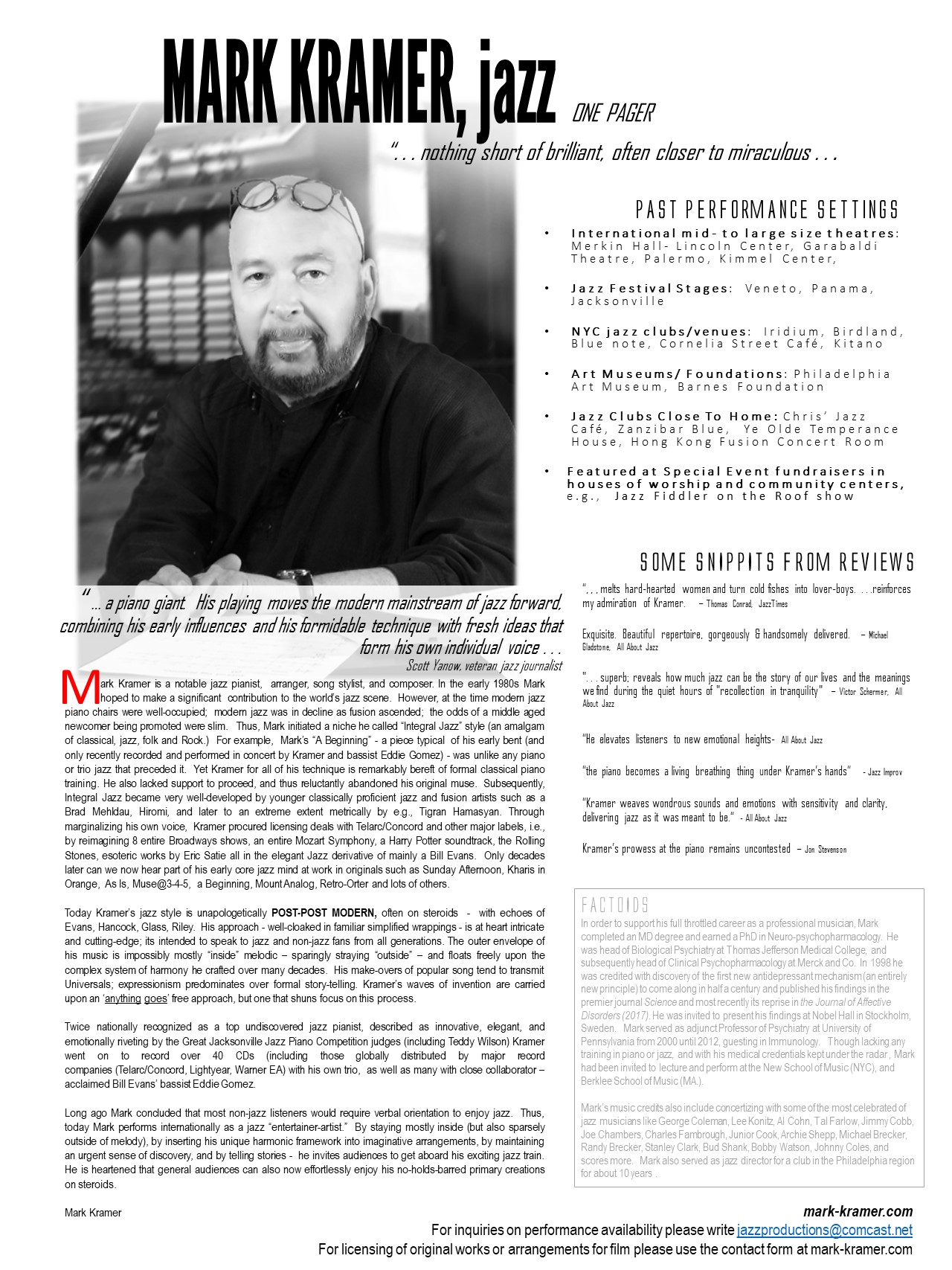
One pager for Mark Kramer. Please use ideas@mark-kramer.com not that which is on the one-pager!
Inquiries
Mark and his team look forward to satisfying your needs.
For 'emergency' queries please directly contact Mark Kramer Music at email: ideas@mark-kramer.com or telephone: please email for telephone number
Please provide a direct phone number and email address to receive immediate attention. Thank you for your understanding.
Otherwise please use the contact form which is provided below for your convenience. We promise to get back to you ASAP.
CONTACT FORM (all fields required)